MULTI AGENT AI SYSTEMS
Multi-Agent AI Systems Development Services
BrainStream Technolabs develops multi-agent AI systems that help businesses manage complex tasks through connected AI agents. As a result, businesses can improve workflow coordination and reduce repetitive work.
Our multi-agent AI development services connect specialised agents with business data, software, and tools. In addition, we focus on clear agent responsibilities, reliable communication, and human oversight.
VERIFIED BY

5.0 RATINGS

VERIFIED BY

5.0 RATINGS

VERIFIED BY

5.0 RATINGS

Let’s Plan Your Multi-Agent System
Tell us which workflow needs better coordination. Let’s explore how specialised agents could work together to support your team.

Ashish Ranpara
Co-Founder, BrainStream Technolabs.








Custom Multi-Agent AI Systems for Business Automation
Multi-agent AI systems connect two or more AI agents to achieve a shared goal. For example, one agent gathers information while another reviews details and prepares business actions.
A single AI agent may handle several tasks independently. In contrast, a multi-agent system divides complex work into focused responsibilities.
Our multi-agent AI development services help businesses design agents around specific workflow needs. First, we identify tasks that require separate responsibilities. Next, we define how agents communicate, share information, and complete their work.
Our Multi-Agent AI Development Services
Our multi-agent AI development services help businesses connect intelligent agents across complex workflows. For example, we build systems for research, document processing, and customer support. In addition, we integrate agents with existing business applications.
Custom Multi-Agent AI Development
Build custom multi-agent AI systems around your business workflows. First, we identify individual tasks and their requirements. Then, we develop specialised agents that work together towards shared business goals.
AI Agent Roles and Architecture
Define clear roles for research, analysis, review, and task execution. In addition, we establish access rules and responsibilities for each agent. As a result, agents can complete focused tasks within defined boundaries.
AI Agent Orchestration
Coordinate communication, task order, and handovers between AI agents. For example, agents can work independently or follow a defined sequence. Furthermore, orchestration helps manage dependencies and workflow exceptions.
Knowledge and Context Sharing
Connect AI agents with relevant business information and shared context. In addition, we define how agents exchange information during tasks. Therefore, each agent can access the details it needs to complete its responsibilities.

Business Software Integration
Integrate multi-agent AI systems with CRM, ERP, and internal business applications. First, we review available APIs and access requirements. Afterwards, we develop suitable connections and test information transfers between systems.
Collaborative AI Workflow Automation
Connect specialised agents to automate multi-step business processes. For example, agents can gather information, review documents, and prepare requests. Meanwhile, employees can manage exceptions and important decisions.

Human Review and Approval Workflows
Add human approval steps before sensitive business actions. For example, employees can review financial updates or customer communications. As a result, businesses can benefit from automation while maintaining control over important activities.
Multi-Agent AI Testing and Optimisation
Evaluate individual agents and complete workflows through practical testing. Furthermore, we review communication quality, task failures, and operating costs. Finally, we use these findings to improve system performance and reliability.
Have a Complex Process? Let’s Define Each Agent’s Role.
Multi-Agent AI Architecture and Technologies
Reliable multi-agent AI systems require clear responsibilities, suitable AI models, and effective coordination. Therefore, we select technologies based on your business processes and technical requirements.
- AI Models and Agent Responsibilities
- Multi-Agent Workflow Orchestration
- Knowledge and Business System Integration
- Knowledge and Business System Integration
- Data Permissions and Human Oversight
- System Evaluation and Performance Monitoring
Keep the architecture as simple as your requirements allow. Add agents when testing shows a useful improvement.
Enterprise Multi-Agent AI Solutions and Use Cases
Multi-agent AI systems help businesses manage processes that involve several responsibilities. For example, specialised agents can support research, sales, and document processing. Moreover, connected agents can help teams coordinate tasks across existing business applications.
AI Customer Support Coordination
Connect agents that retrieve customer details, search support information, and prepare responses. In addition, specialised agents can review available information before suggesting answers. Meanwhile, complex customer issues can reach human support teams.
AI Research and Report Preparation
Use multiple AI agents to gather information, review findings, and prepare business reports. For example, one agent can retrieve sources while another checks the collected details. Therefore, reviewers can assess findings with better supporting information.
AI Sales and Proposal Automation
Coordinate agents that collect customer requirements, review business information, and prepare proposal drafts. Furthermore, agents can organise relevant information for sales teams. However, pricing and business commitments should remain subject to human approval.
Intelligent Document Processing
Assign separate agents to extract information, check documents, and prepare business records. Next, route incomplete or uncertain information for review. As a result, businesses can manage document workflows with less repetitive manual effort.
AI-Powered eCommerce Operations
Connect agents that review product information, check catalogue details, and support customer enquiries. In addition, agents can retrieve data from supported eCommerce platforms. However, refunds and important pricing changes should follow defined approval rules.
Enterprise Internal Operations
Coordinate agents across internal requests, information search, and routine business tasks. For example, agents can help teams collect information and prepare operational updates. Consequently, employees can focus more attention on decisions and important activities.
Start With a Focused Multi-Agentxpand With Evidence.
Why Choose BrainStream for Multi-Agent AI Development?
BrainStream Technolabs helps businesses develop multi-agent AI systems around real operational needs. Our approach combines AI development, workflow automation, and business software integration.
- Business-Focused AI Strategy
- Custom Multi-Agent AI Architecture
- Connected Enterprise AI Solutions
- Secure AI and Human Oversight
- Continuous System Evaluation
Bring your process challenges and existing software. Let’s determine whether a multi-agent approach fits the work.
FAQs
What is a multi-agent AI system?
A multi-agent AI system connects two or more AI agents to achieve a shared goal. Each agent handles specific tasks within a larger workflow.
For example, one agent can collect information while another reviews findings and prepares actions. In addition, an orchestration layer can coordinate communication and task order. As a result, businesses can divide complex workflows into manageable responsibilities.
What is the difference between a single AI agent and a multi-agent AI system?
A single AI agent handles tasks through one main decision-making component. In contrast, a multi-agent AI system distributes responsibilities across several agents.
For example, separate agents can handle research, analysis, and task execution. However, multiple agents can increase coordination requirements and operating costs. Therefore, businesses should compare both approaches before selecting an architecture.
When should businesses use multi-agent AI systems?
Businesses should consider multi-agent AI systems when workflows involve distinct responsibilities, different tools, or independent tasks.
For example, research and document processing may benefit from specialised agents working together. However, simple tasks may only require one AI agent. Therefore, BrainStream Technolabs recommends evaluating business needs and testing a focused solution before introducing additional complexity.
How do multiple AI agents communicate with each other?
AI agents can communicate through structured messages, shared information, and task outputs. For example, a research agent can pass collected findings to an analysis agent.
In addition, agent orchestration can manage information sharing and task dependencies. However, each agent should only access information relevant to its responsibilities. Therefore, clear communication rules help support reliable collaboration.
Can multi-agent AI systems integrate with existing business software?
Yes, multi-agent AI systems can connect with supported CRM, ERP, eCommerce platforms, and internal applications.
However, integration depends on available APIs, software capabilities, and access permissions. First, our team reviews existing business systems and workflow requirements. Then, we develop suitable integrations and test how information moves between agents and connected applications.
Can employees approve AI agent actions before execution?
Yes, businesses can include human approval steps within multi-agent AI workflows.
For example, employees can review financial updates, customer communications, or important record changes. In addition, workflows can pause when agents encounter missing or conflicting information. As a result, businesses can benefit from AI automation while maintaining human control over important decisions.
How do you evaluate multi-agent AI system performance?
Multi-agent AI evaluation measures individual agent performance and the results of complete workflows.
For example, businesses can track task completion, response quality, communication failures, and processing time. Furthermore, evaluation should consider operating costs and the amount of human intervention. Finally, testing results help identify improvements and determine whether additional agents provide practical value.
How much does multi-agent AI development cost, and how long does it take?
Multi-agent AI development costs and timelines depend on agent responsibilities, software integrations, information sources, and testing requirements.
For example, a focused workflow with limited integrations may require less development than an enterprise-level system. In addition, businesses should consider ongoing AI model usage and infrastructure costs. Therefore, we review your requirements before providing a project estimate.
Can businesses start with a multi-agent AI pilot?
Yes, a focused multi-agent AI pilot allows businesses to evaluate performance before investing in a larger solution.
First, select a workflow with clear responsibilities and measurable goals. Next, develop a small set of specialised agents with defined permissions. Finally, compare task quality, operating costs, and workflow performance against a simpler approach before expanding.
Case Studies
Explore Our AI and Software Development Projects
Discover how BrainStream Technolabs addresses business challenges through AI development and software integration. For example, our projects explore CRM modernisation, intelligent financial solutions, and healthcare technology.
-
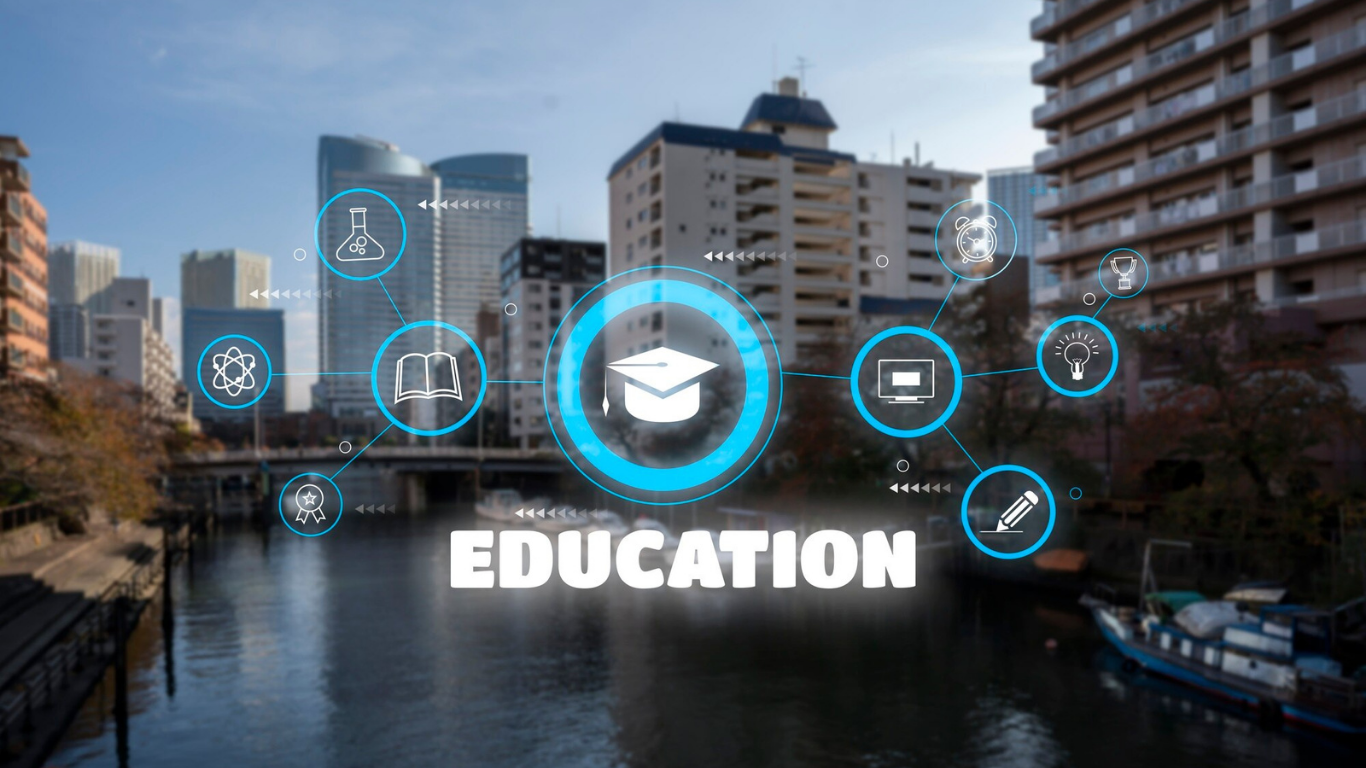
CRM Transformation for Modern Education – Building a Scalable, AI-Ready Education CRM Ecosystem
A comprehensive CRM modernization initiative designed to unify admissions, student…
-
Powering the Future of Intelligent Financial Decision-Making
Real-Time Clarity for Real-World Markets We partnered with a leading…
-

Transforming Healthcare with CRM & AI
A Blended Digital Care Platform for Operational Excellence This case…